
Interview Map
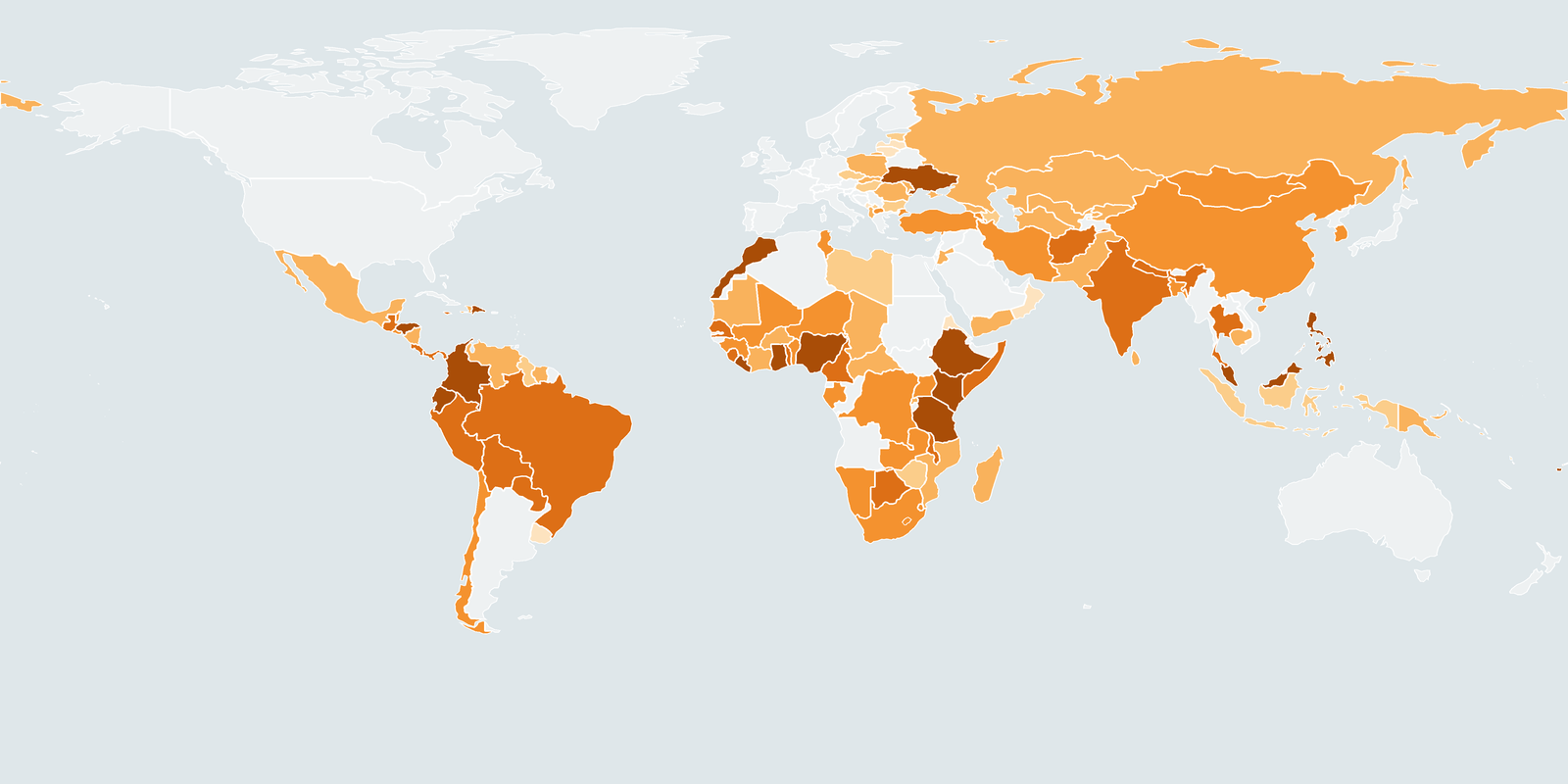
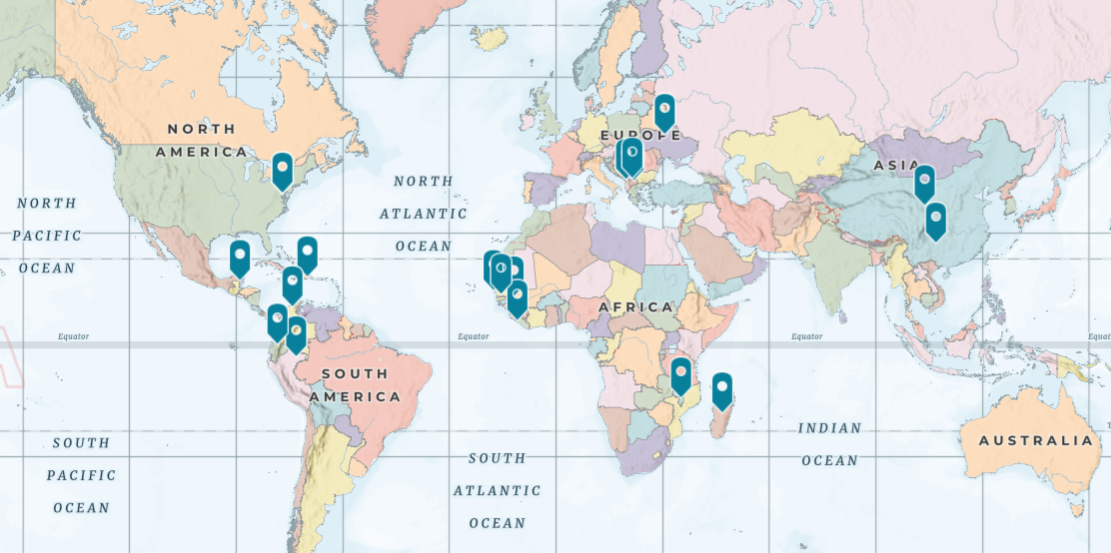
See where Returned Peace Corps Volunteers served. Our interactive map plots more than 2,100 oral history interviews from both archives below by country of service, across 125 countries and six decades. Click a country to list its interviews and open them in the archive.

The University of Kentucky Louie B. Nunn Center for Oral History
Since 2020, the Peace Corps Oral History Project has partnered with the University of Kentucky Louie B. Nunn Center for Oral History to conduct audiovisual oral history interviews virtually. The Nunn Center currently hosts three collections: 1,141 interviews with Returned Peace Corps Volunteers who have served since the Peace Corps was founded in 1961, 24 interviews with host country nationals who have served as Counterparts or Staff working alongside Peace Corps Volunteers, and 81 interviews with Peace Corps Volunteers evacuated from their country of service due to the COVID-19 pandemic — linked below alongside the Departures exhibit.

Departures: Peace Corps Pandemic Stories
Virtual Exhibit & Gallery Installation — Created by S. Olivia Donaldson, RPCV Benin
This multimedia exhibit invites audiences to engage with the voices and stories of 21 evacuated Peace Corps Volunteers and staff who were impacted by the global suspension of Peace Corps programs during the COVID-19 pandemic. It draws on the Nunn Center’s COVID-19 Evacuated Volunteer collection, which holds 81 interviews with Volunteers evacuated from their country of service due to the pandemic.
The John F. Kennedy Presidential Library and Museum
The JFK Presidential Library’s Returned Peace Corps Volunteer Collection holds 858 oral history interviews. Since 2020, the Library has only accepted new interviews from Volunteers who served while President Kennedy was in office, between 1961 and 1963 — but the existing archive already includes many interviews from Volunteers who served in the decades since his death in 1963.
More than 520 of these interviews were recorded on audiocassette tape before OHAP moved to digital recording in 2015. OHAP is currently raising funds through the Phyllis Noble Memorial Oral History Fund to digitize the roughly 75 tapes that remain — see the Donate page for details.
Other Peace Corps Oral History Projects
These related collections are hosted by the University of Kentucky Louie B. Nunn Center for Oral History but are separate, earlier projects that OHAP is not affiliated with. We're glad to acknowledge their work preserving Peace Corps stories.